Benefits of Regular Cleaning of Hoods and Filters in the Work Environment
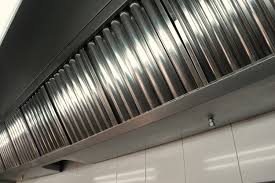
Importance of Regular Hood and Filter Cleaning for a Healthy Work Environment
A healthy work environment is essential not only for employee well-being but also for the overall success of any business. In environments such as industrial kitchens, restaurants, and laboratories, where hoods and filters are used to control and eliminate smoke, grease, odors, and other harmful emissions, regular cleaning of these components is critical. Below, we present a series of points that demonstrate how periodic maintenance of hoods and filters can promote a healthier and more productive work environment.
1. Fire risk reduction
- Grease and residue buildup on hoods and filters can be a potential fire hazard. Regular cleaning prevents the buildup of these substances and thus significantly reduces the risk of fires, one of the most serious hazards in the kitchen.
2. Improves air quality
- A clean hood and filters work optimally to extract smoke, unpleasant odors, and hazardous emissions. This ensures employees breathe cleaner, healthier air, which is crucial for their long-term well-being.
3. Compliance with health regulations
- In many places, occupational health and safety laws require companies to maintain a clean work environment, including proper ventilation and air filtration. Complying with these standards not only avoids penalties but also promotes a positive company image.
4. Increases energy efficiency
- Dirty filters and hoods cause ventilation systems to work harder than necessary, increasing energy consumption. Keeping them clean ensures they operate efficiently and saves energy, reducing costs and supporting sustainability initiatives.
5. Improve employee performance and productivity
- When working in a clean and well-ventilated environment, employees perform better. A more hygienic workspace can reduce absenteeism due to illness and allergies, which increases overall productivity.
6. Extends the useful life of the equipment
- Proper and regular cleaning not only keeps your kitchen or work area safe, but also prolongs the life of your equipment. Well-maintained hoods and filters require fewer repairs and replacements over time.
7. Contributes to maintaining a professional image
- A clean and well-maintained workplace projects a professional and reliable image to customers and visitors. Cleaning hoods and filters is a detail that doesn't go unnoticed and reflects the company's commitment to excellence and safety.
8. Preventing cross-contamination of food
- In the kitchen, a dirty hood can allow grease and other contaminants to fall onto the food being prepared. Keeping ventilation systems clean ensures food is safe and free from contamination.
9. Promote a culture of safety and cleanliness
- By prioritizing regular cleaning of hoods and filters, the company establishes and reinforces the importance of a safe and clean work environment. This lays the foundation for an organizational culture that values caring for its employees and work processes.
10. Detect ventilation system failures in time
- A regular cleaning routine allows you to identify and resolve minor problems before they become serious issues. This not only prevents costly repairs but also keeps the system running optimally at all times.
In conclusion, regular cleaning of hoods and filters is a critical aspect of maintaining a healthy work environment. It not only protects employee health and prevents risks such as fires and food contamination, but also complies with health regulations, improves energy efficiency, and co
