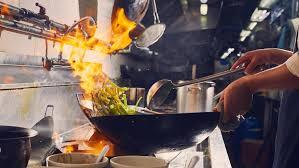
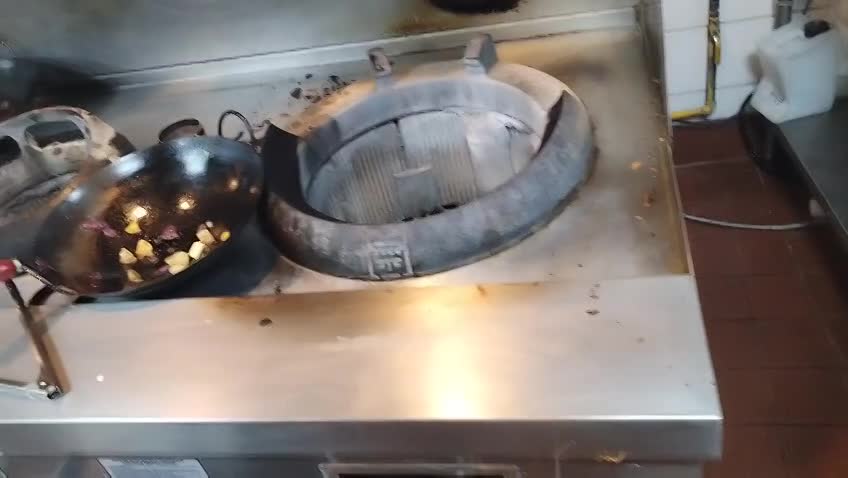
Woks
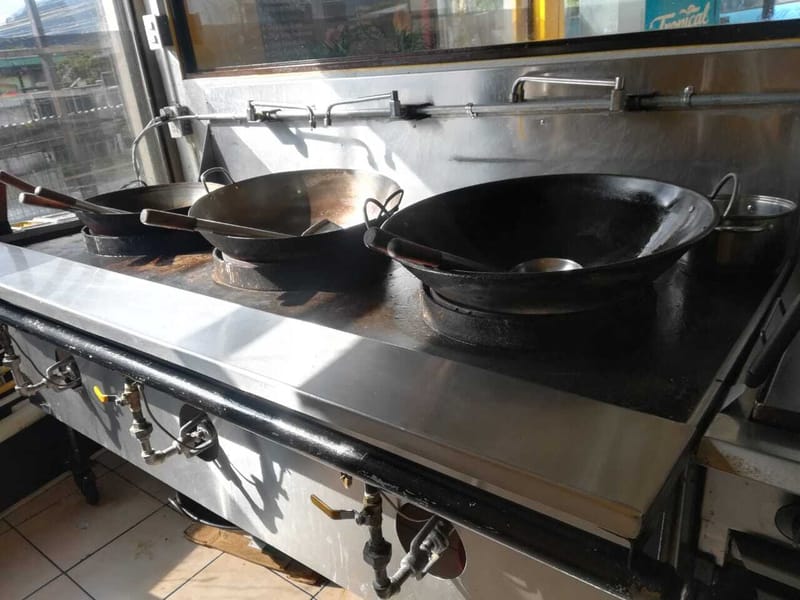
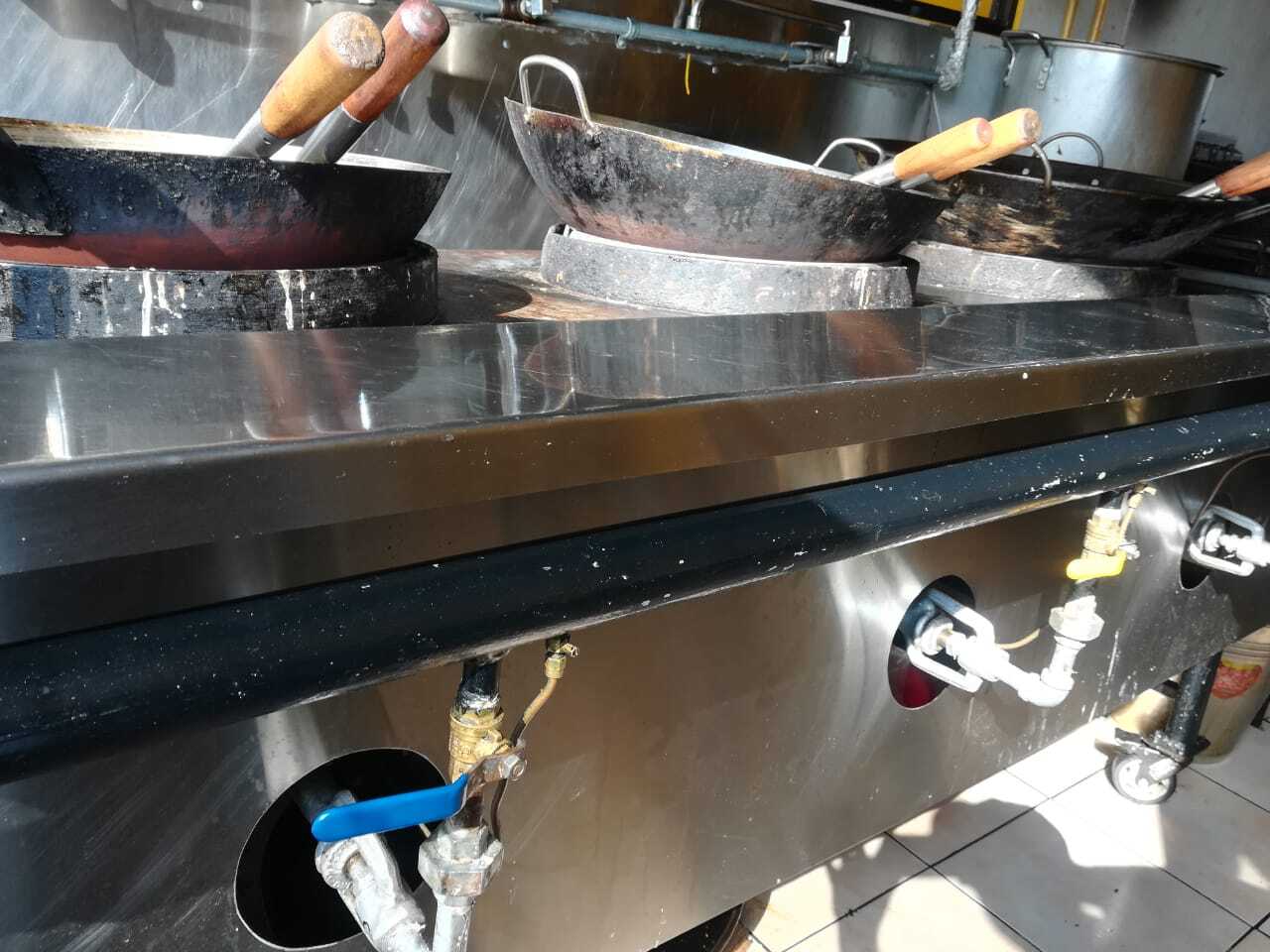
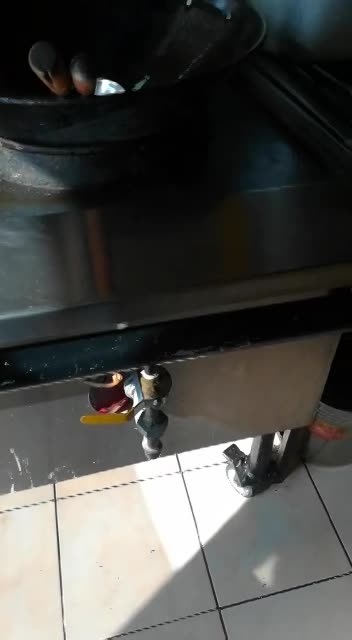
Proper maintenance of woks in a restaurant is essential to ensure safe, hygienic, and efficient operation. Here are some important steps for wok maintenance:
- Daily Cleaning :
- After each use, clean the wok with hot water and mild detergent to remove any food residue.
- Use a soft sponge or cloth to clean the inside and outside of the wok, making sure to remove any stuck-on food residue.
- Avoid using abrasives that can scratch the surface of the wok.
- Complete Drying :
- Once clean, dry the wok completely with a clean, dry cloth to prevent moisture buildup and rust.
- If possible, gently heat the wok after drying it to ensure it is completely dry, especially if you won't be using it for a while.
- Finish Maintenance :
- If your wok has a nonstick finish, avoid using metal utensils that can damage the surface. Instead, opt for wooden, bamboo, or plastic utensils.
- If the nonstick finish begins to wear, consider replacing the wok or re-coating it, according to the manufacturer's recommendations.
- Wear Control :
- Regularly inspect the wok for signs of wear, corrosion, or deformation.
- If you find any significant damage, such as holes or cracks, it's important to repair or replace the wok immediately to avoid safety hazards and food contamination.
- Mango Maintenance :
- Periodically check that the wok handle is secure and in good condition. Tighten the screws or rivets if necessary to prevent the handle from coming loose.
- If the handle is loose or damaged, replace it as soon as possible to avoid injury when handling the wok.
- Oiling the Wok :
- After each cleaning, apply a thin layer of vegetable oil to the inside of the wok to help protect it from rust and maintain its seasoning.
- Heat the wok slightly after applying the oil to ensure it adheres well to the surface.
- Professional Inspection :
- Schedule professional inspections and maintenance periodically, especially for gas woks that require specific adjustments and repairs.
- Service technicians can identify and resolve issues before they become major problems, ensuring the safe and efficient operation of your wok.
By following these steps and maintaining a regular cleaning and maintenance routine, you can extend the life of your woks and ensure the quality of the dishes you prepare in your restaurant.
1 min read
0 Comments